This architecture and interior design briefing examines two practical ways buildings respond to their surroundings: the careful regeneration of a historic Santiago home and the growing use of removable exterior shading. For photographers, both projects offer lessons in documenting material transformation, domestic atmosphere and climate-conscious design.
Casa Emilio Delporte / Citic
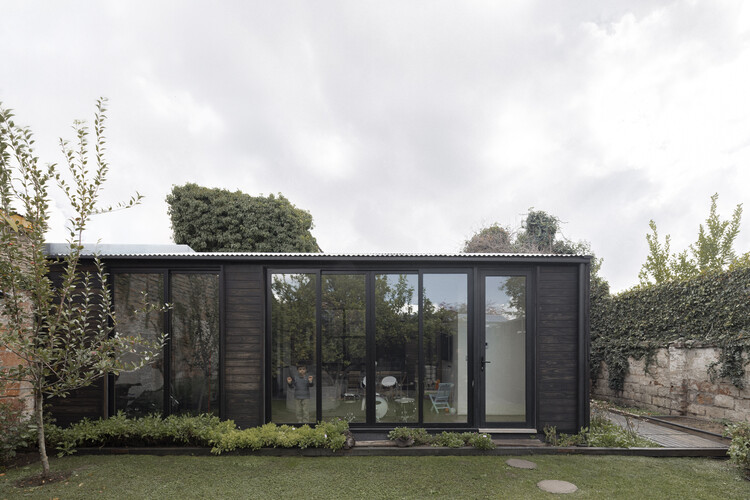
Casa Emilio Delporte transforms a 1929 house by architect Luciano Kulczewski, located within the Arturo Prat Cooperative Housing in Providencia, Santiago, into what its architects describe as a “house for conversation.” Completed in 2022 by Citic, the regeneration project frames the home as a relationship between its inhabitants and the ecological setting around them. That idea gives architectural photographers a clear narrative: record not only the restored historic work, but also how rooms, thresholds and shared spaces support interaction. Images by Ignacio Squella will be especially relevant as a reference for balancing documentary views of the existing structure with photographs that communicate domestic atmosphere. The practical lesson is to photograph regeneration as a change in inhabitation, not simply as a before-and-after exercise.
"People need to be able to afford to adapt to climate change" says architect founder of Shaded
London architect Aimée Daniels has developed Shaded, a clean-tech startup selling simple, colourful external awnings designed to be installed on or removed from sash windows. The system reportedly sold out multiple times during the summer, while Daniels argues that people need affordable ways to adapt to climate change and that the UK should make greater use of shading. For photographers, the product creates a useful study in how small interventions alter a façade and the quality of interior light. Exterior views can show the awning’s relationship to sash-window proportions, while interior images can document the change in shade without overstating performance beyond the supplied claims. The practical takeaway is to treat adaptable shading as both an architectural detail and a subject that links façade, daylight and comfort.