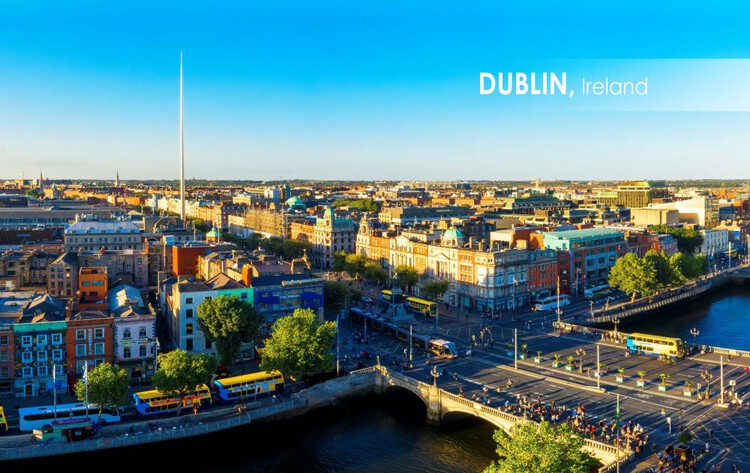
This architecture and interior design briefing connects two ways of reading change in the built environment: a conference examining climate, social and urban transformation in Dublin, and a museum extension in Ghent shaped by waste-based white bricks. For photographers, both developments point to documenting how new interventions relate to historic fabric, public use and evolving civic identities.
CFP: Dublin, Ireland – Livable Towns, Cities, Regions 2027
University College Dublin and AMPS are inviting contributions for “Livable Towns, Cities, Regions 2027,” an interdisciplinary conference focused on how places can respond to climate change, social challenges and urban transformation. The programme brings together architecture, planning, sustainability, conservation, public health and community perspectives, with Dublin providing a setting that includes Georgian neighbourhoods, modernist housing, docklands regeneration, expanding transport and contested community issues. The event will be held in person and online, with pre-recorded and written paper submissions accepted. Abstract deadlines are December 5, 2026, for the first round, and April 10, 2027, for the second. Photographers developing documentary or research-led work can use these themes to structure visual studies of contrasting urban layers and civic change.
White-brick extension defines Design Museum Gent revamp
Carmody Groarke, Atama and Re-st have completed the redesign of Design Museum Gent in Belgium, adding a geometric, timber-framed wing wrapped in white bricks made from waste-based material. The extension provides educational and event spaces as well as additional exhibition area, expanding the museum’s public and cultural programme. Its pale masonry envelope establishes a strong visual contrast with the existing institution while giving the new volume a clear architectural identity. For photographers, the project offers several subjects to examine: the relationship between the geometric addition and the museum, the texture and tonal variation of the brick surface, and the way visitors occupy the new spaces. A useful photographic approach is to connect façade detail with wider views of the building’s renewed public role.