Today’s architecture and interior design briefing examines how public space is being reconsidered at two scales: a competition for a resilient riverside corridor in Gliwice and an argument for giving young people legitimate places to gather. Both developments offer photographers clear subjects: movement, access, landscape systems and urban inclusion.
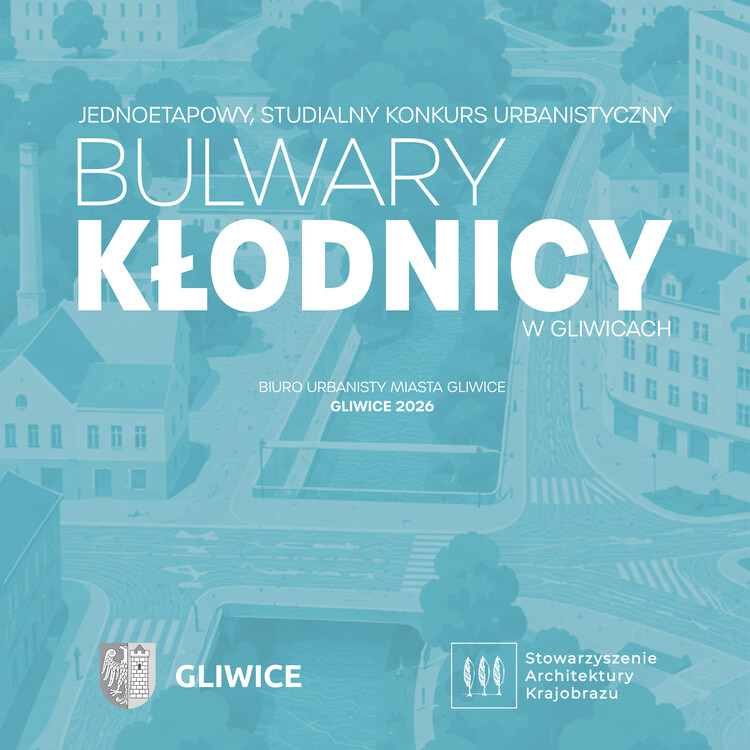
Open Call: Urban design competition for the Kłodnica Boulevards in Gliwice
The City of Gliwice has opened a one-stage competition for an urban planning, landscape and architectural concept for the Kłodnica River valley within the city. The proposed Kłodnica Boulevards are intended to become a vibrant, multifunctional public space, linking urban green areas into a cohesive natural system while providing safe walking and cycling routes. Climate-change resilience is also a central objective. For photographers, the brief points toward documenting relationships rather than isolated buildings: water, planting, mobility, public life and the changing character of the river edge. Any visual study of the proposal should therefore pay attention to continuity across the corridor and to how infrastructure supports everyday use.
"We remove places where young people can gather in small groups, then panic when they gather in large ones"
Christopher Martin argues that concern over so-called “teen takeovers” overlooks a design failure: cities have removed many places where young people can gather in small groups, then react with alarm when they assemble in large ones. The debate follows incidents involving young people in downtowns, malls and parks, including cases of violence that require a response, but the broader issue is where youth are expected to go. A cited academic paper describes this as the “patronising city”, where young people are accepted in public space mainly when supervised, consuming or meeting adult expectations. For architectural photographers, the question directs attention to absence: empty edges, controlled plazas and spaces that either invite or exclude informal occupation.