This architecture and interior design briefing examines two material and spatial developments with clear photographic implications: CARNIVAL’s community-oriented setting in Bangkok and Elementic’s new surface material made from forestry offcuts. Together, they invite attention to how identity, texture, context and environmental claims appear in architectural photography.
Housing CARNIVAL / Studio Profile
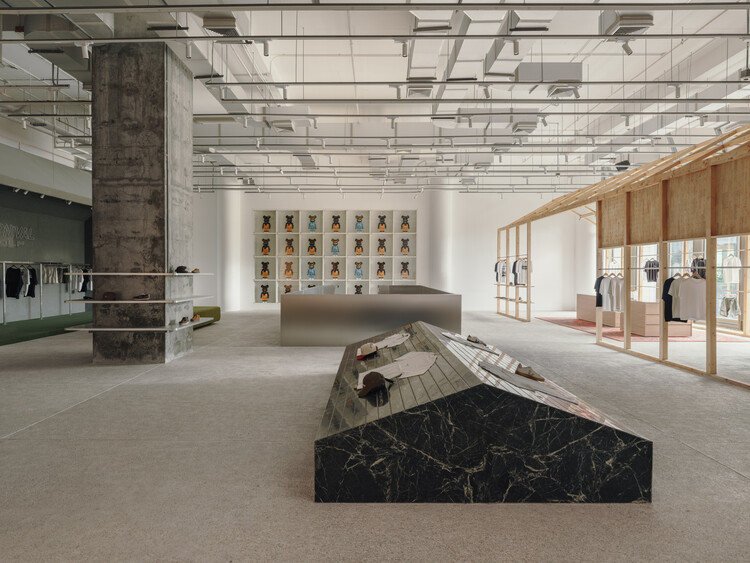
Studio Profile presents Housing CARNIVAL as a new “home” for Bangkok streetwear brand CARNIVAL within One Bangkok, an urban destination in Pathum Wan, Thailand. Completed in 2026, the project is conceived as a cultural village where street culture, community and collective experiences converge. Its framing draws on Bangkok’s layered character, from street markets and temples to contemporary skyscrapers and organically evolved urban structures. For photographers, the assignment is less about recording a retail interior in isolation than about relating the brand’s identity to its wider urban and cultural setting. Images by Wen Studio, Natthapol Sakultem and Borwornsun Premprik, with Kan Kankavee, point to the importance of authorship when documenting this relationship. Photograph the project as a meeting of architecture, community and city.
Finnish company launches "world's most carbon-storing building material"
Finnish materials company Elementic has unveiled MO6, a wall-surfacing product made from forestry-industry offcuts and described as almost pure carbon. The material is formed into thick, lightweight tiles with a rough texture and off-black colour. Elementic established MO6 as a brand in May, introducing its debut collection, MO6 Eternal. The product gives photographers a distinctly tactile subject: its visual character depends on surface relief, tonal subtlety and the way light reveals a rough, dark finish. Close views should communicate the tile’s physical texture, while wider frames can establish how the surface functions within an interior or architectural composition, without reducing the material to a flat colour study. Accurate photography should make both its material presence and its stated carbon-storage claim legible without adding unsupported environmental conclusions.